Between Land and Sea
There are places where the landscape seems to have a character of its own.
There are places where the sea is never very far away, where fields meet woodland, and where a short journey can take you from a quiet country lane to a windswept beach.
My home, the island of Als, in Southern Denmark, is one of those places.
Surrounded by water and connected to the mainland by two bridges, Als offers a mixture of coastal landscapes, rural villages, farmland and forests. It is not a particularly large island, but there is plenty to explore, and it’s my home and heartland.
And perhaps that is what makes it so appealing to others too. You do not have to travel very far to experience something completely different.
Living Close to the Water
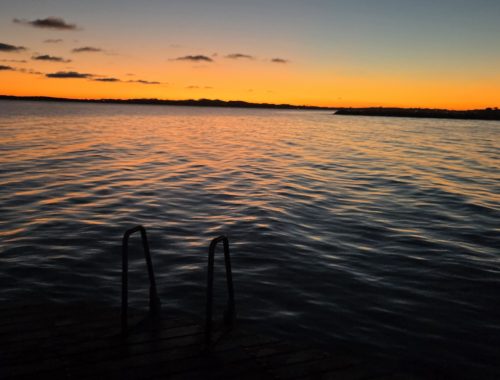
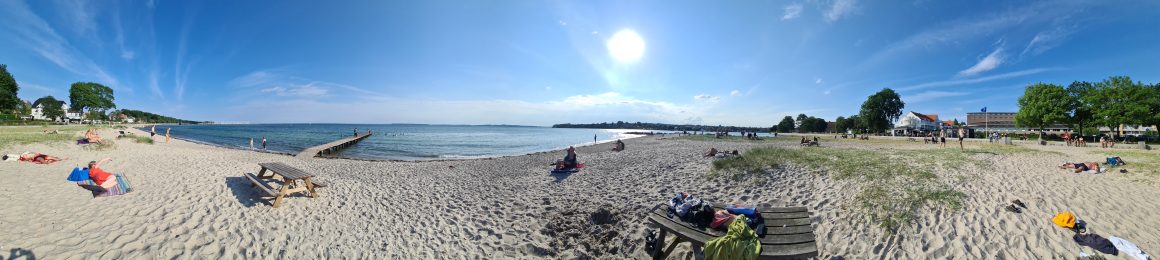
The sea has a remarkable ability to change the atmosphere of a place. After living almost 30 years in a place where my heart couldn’t settle, it’s pure joy to be able to reach the sea in a five-minute bike ride.
On a calm morning, the water is almost perfectly still. The following day, however, a strong wind may send waves rolling towards the shore, with seagulls screaming in the sky.
The colours change constantly, too. Sometimes the sea appears pale grey beneath a cloudy sky. On other days, it presents itself in shades of blue and green, while the shallow water close to the beach reveals marvellous stones, seaweed and shells. I have a thing for beach stones, by the way.
Even a familiar stretch of coastline never looks exactly the same twice.
I think that is one of the reasons so many of us are drawn to the sea. There is always something to watch. The movement of the water, the changing light, seabirds searching for food and the occasional boat passing in the distance all contribute to the experience.
And then there is the sound.
The steady movement of waves against the shore helps me to wind down, empty my head and just be.
The Landscape Behind the Beach
Although the coastline receives plenty of attention, the countryside behind it is just as interesting. Als, Sundeved and Broagerland have a varied landscape shaped by agriculture, woodland and the effects of the last Ice Age.
Country roads wind between fields, hedgerows provide shelter for wildlife, and small areas of woodland offer a completely different environment from the open coast.
A walk or bike ride along the Gendarme Path takes you uphill and downhill, sometimes directly along the beach and at other times beside fields full of the bluest cornflowers, bright red poppies and oxeye daisies.
In late summer, the landscape becomes even more interesting. The fields may already have been harvested and look brown with sprinklings of yellow or green from the stubble left behind. The woodland is still full of colour, although the green has become darker. Along the coast, the vegetation exposed to wind and salt looks more rugged.
I prefer exploring by bike. It allows me to travel further than walking without losing the opportunity to stop whenever something catches my attention. And there is always something worth stopping for.
An old farmhouse, an interesting tree, a narrow path leading towards the water or a view across the fields that looks completely different in the afternoon light.
Not Just a Summer Destination
Living here all year round is quite different from visiting during the summer holidays.
Of course, summer is wonderful. The long, light evenings, the warm water and the possibility of spending an entire day outside without thinking about the weather. But I enjoy the other seasons just as much.
Spring is probably the time of year when I spend most time looking at what is growing. The first flowers in the hedgerows, fresh green leaves and the sudden appearance of colour everywhere. It never ceases to amaze me how quickly everything changes once the temperature starts rising.
Autumn, on the other hand, is all about the colours, the harvest and preparing for winter. There are apples, berries and nuts to collect, and the woods smell of damp leaves and earth.
And then comes winter. I actually like winter, especially the cold, clear days when the sun is shining and the ground is covered in frost. The beaches are almost deserted, and you can walk for ages without meeting anyone. Of course, we also have plenty of grey, wet and windy days. This is Denmark, after all. But even those days have their charm, provided you are wearing the right clothes.
Exploring the Countryside
One of the things I enjoy about living here is that I don’t have to make elaborate plans to get out into nature.
I can simply get on my bike and see where the roads take me. Sometimes I have a destination in mind, but quite often I don’t. I might take a road I haven’t travelled before, follow a sign towards a small village or stop when I spot something interesting.
There are so many lovely old houses and farms in this part of Denmark, and I have a particular weakness for old trees that have stood in the same place for generations. I often wonder what these trees have witnessed during their lifetime. The landscape also carries a great deal of history. Old farm buildings, churches, stone walls and the remains of earlier settlements are reminders that people have lived and worked here for centuries. And the history is not always a happy one. This part of Denmark has seen wars, shifting borders and generations of people who had to adapt to changing circumstances.
Today, however, it is a peaceful place to explore, and I appreciate that.
Coming Home to the Landscape
Since moving back to Southern Jutland, I have realised just how much I missed the landscape. Not just the sea, but the whole combination of water, farmland, woodland and small villages. I missed the open views across the fields, the smell of the sea and the familiar countryside.
There is something rather comforting about knowing where you are. Recognising the names of villages, remembering roads you travelled as a child and rediscovering places you haven’t visited for years. Of course, things have changed during the almost 30 years I lived elsewhere. New houses and roads have been built, and some of the places I remember look quite different today. But the landscape itself is still familiar.
And I have plenty of places left to rediscover.
Between Land and Sea
Sea Soil Sky is, in many ways, inspired by this relationship between land, water and the changing seasons. The coast provides one perspective, the countryside another, and the sky influences both. Living close to nature does not mean abandoning modern life or spending every available hour outdoors. It can simply mean noticing what is happening around us, learning more about the places we visit and finding opportunities to enjoy them.
Sometimes that means a long cycle ride. Sometimes it means a swim, a walk or an afternoon taking photographs.
Sometimes it means doing very little at all. And that is completely ok.

You May Also Like
November Skies – Stars, Meteors and Moonlight

All Hallows’ Eve – Between Autumn and Winter